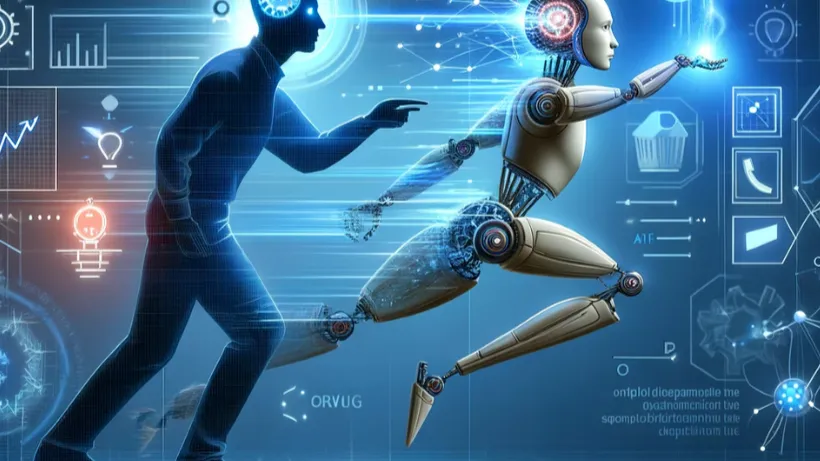
In a recent statement, Sam Altman, CEO of OpenAI, shared a concerning perspective on the emotional over-reliance on AI, particularly among younger generations. As AI tools like ChatGPT become an increasingly integral part of our lives, Altman is sounding the alarm on how these systems are beginning to shape the emotional landscape of our society. While AI offers convenience, immediate reassurance, and cognitive enhancement, it also brings with it potential risks that are not being fully addressed, especially when it comes to emotional development.
The Neuroscience of Dependency: A Warning from Altman
Altman’s concerns are rooted in the concept of neuroplastic dependency, a phenomenon where repeated reliance on a stimulus, like AI, can rewire the brain’s default pathways. This change bypasses natural emotional growth, which typically occurs through real-life struggles, reflection, and personal discomfort. When we rely on AI to guide us through emotional decisions or to provide validation, we risk stunting our ability to face discomfort, process emotions, and develop self-regulation skills.
In essence, emotional growth often arises from moments of struggle, not from AI-generated reassurance. By relying on AI for emotional support, individuals may miss the opportunity to develop these vital life skills, which are essential for resilience and mental well-being.
A Generation of Emotional Outsourcing?
Altman’s worry is particularly acute regarding younger generations, who may grow up forming attachment bonds with AI systems. These children, who turn to AI for emotional support, may be depriving themselves of the fundamental experiences needed to build emotional intelligence. Instead of learning to self-soothe after rejection, process failure, or navigate emotional conflict, they might rely on machines that offer instant reassurance.
As AI becomes even more integrated into daily life, there’s a risk that we could be raising a generation that excels in technical skills, able to code, create, and innovate, but lacks the emotional resilience to handle life’s inevitable challenges. This shift toward emotional outsourcing could lead to a future workforce that’s adept at executing tasks but struggles with foundational human skills like empathy, emotional regulation, and critical thinking.
The Urgency for Emotional Intelligence Development
This is where we, as talent development professionals, must step in. As Altman’s warning highlights, it’s crucial for us to prioritize emotional intelligence (EI) alongside technical and cognitive skills. The current landscape requires a balanced approach to leadership development that integrates emotional growth with professional expertise. Here’s how we can address these challenges:
- Integrating Emotional Intelligence (EI) into Leadership Development: Ensure that EI, self-awareness, empathy, social skills, self-regulation, and motivation is a core component of leadership training. Leaders need to be equipped not only with cognitive skills but also with the emotional tools required to build meaningful relationships, manage stress, and respond to challenges.
- Fostering Critical Thinking and Problem-Solving: Encourage the development of critical thinking skills to ensure that employees can make informed decisions independently of AI. This can be achieved through inquiry-based learning, creative problem-solving sessions, and scenario-based training that challenges them to think beyond AI-generated solutions.
- Promoting Mindful Technology Use: Advocate for balanced screen time and teach employees to use technology mindfully, ensuring that AI serves as a complementary tool, not a substitute for emotional growth or decision-making. Encourage regular offline activities to promote emotional self-regulation and well-being.
- Building Emotional Resilience: Create spaces for employees to navigate real-world challenges, embrace failure as a learning opportunity, and build emotional resilience through experiential learning and reflection. Providing opportunities for personal growth outside the technical realm is key to ensuring that employees remain well-rounded and mentally healthy.
A Call for Action: Raising Thinkers, Not Followers
As Altman rightly points out, the time to act is now. The focus should be on raising thinkers who can thrive in a world where AI coexists with human intuition, and feelers who can connect emotionally and regulate their feelings. We must ensure that AI doesn’t replace the emotional depth that makes us human. This includes developing strong leaders who not only navigate complex business landscapes but also lead with empathy and resilience.
At AssessPro, we believe in empowering talent with the right tools, both cognitive and emotional to create leaders of the future. We are committed to fostering a balanced approach that nurtures emotional intelligence, critical thinking, and human connection in an increasingly AI-driven world.
Let’s raise humans, not hollowed-out operators of intelligent machines.
Ready to develop emotionally intelligent leaders who can navigate the complexities of the AI era?
Contact us at AssessPro to learn how our leadership development programs can help you foster the emotional resilience and critical thinking skills needed for the future workforce.
#EmotionalIntelligence #AIOverreliance #LeadershipDevelopment #FutureOfWork #TalentDevelopment #MentalResilience #AIInWorkplace #EmotionalGrowth #Neuroplasticity #HumanConnection #TechAndEmotion #TalentPlus #assesspro